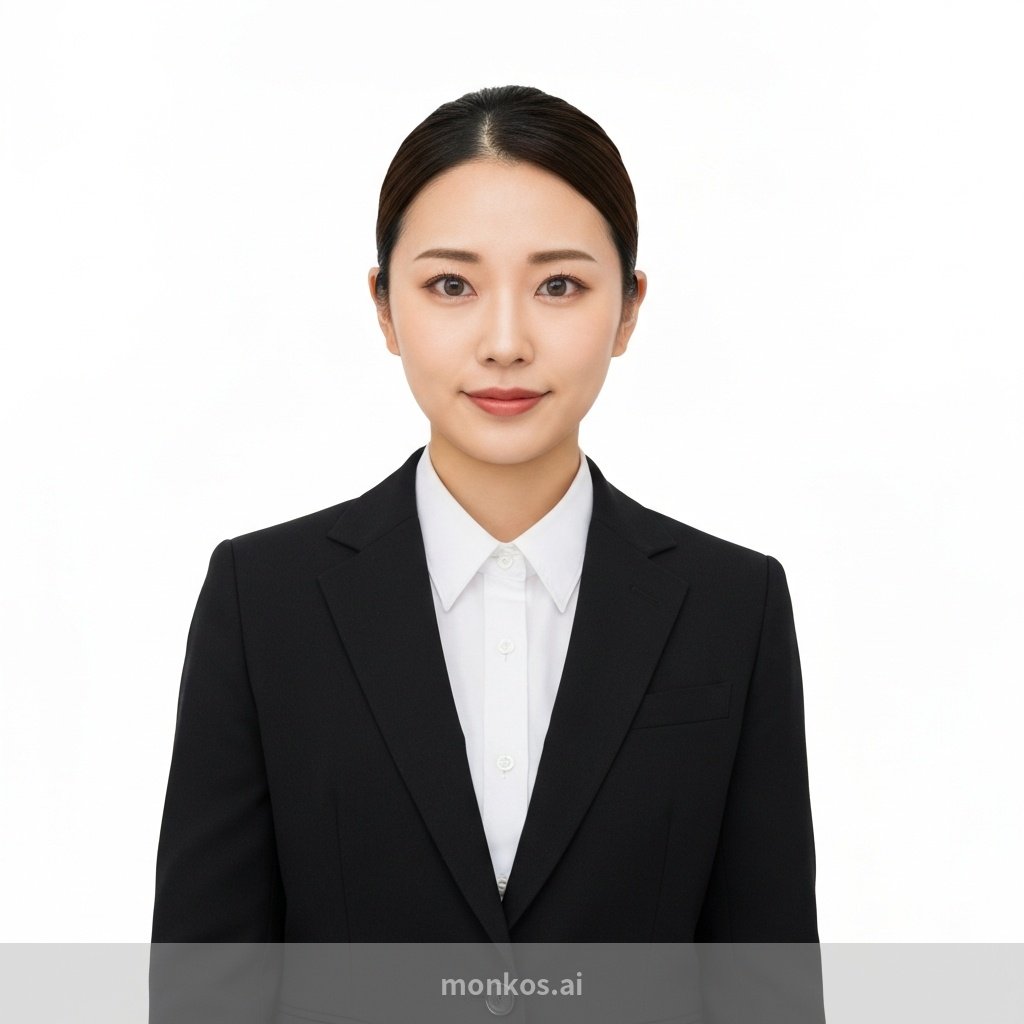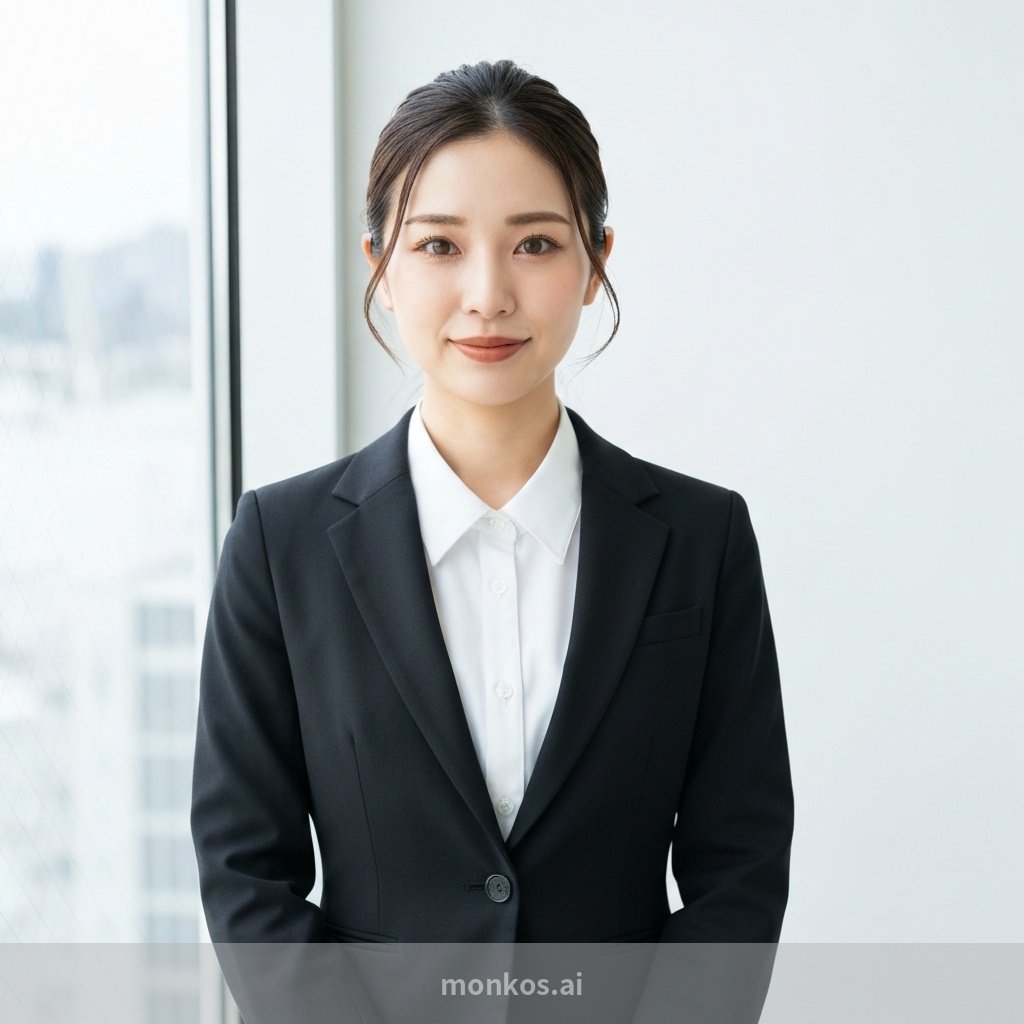
When taking an ID photo, many people only focus on the background or expression, often dismissing lighting with a simple "as long as it's bright, it's fine," right?
In fact, lighting is one of the most crucial elements in an ID photo. Even with the same face, same clothes, and same background, a change in lighting alone can completely alter your skin tone, face shape, and even your overall impression.
While professional studios have experts set up the lighting, many people nowadays create AI ID photos using selfies. So, when shooting yourself, should you choose natural light or artificial light?
The Impact of Lighting on ID Photos
Different lighting creates these differences in photos:
Skin Tone Changes — Natural light brings out your skin's inherent color, whereas under fluorescent lights, your face might appear yellowish or pale. LED lighting can render colors warmly or coolly depending on its color temperature.
Shadows — Depending on the lighting angle, shadows can form beside your nose, under your chin, or beneath your eyes. If the light only comes from above, your under-eye area might appear dark, and if it comes from only one side, your face might look asymmetrical.
Dimension and Flatness — Appropriate lighting gives your face natural dimension. If the light is too strong, it can cause glare, and if it's too weak, your face might appear flat.
Natural Light — The Easiest and Most Natural Choice
Natural light is the most recommended lighting for self-portraits.
Advantages
- Produces the most natural skin tone
- Soft shadows enhance facial contours beautifully
- A window is all you need, no special equipment required
Optimal Conditions
- Time: Between 10 AM and 2 PM is best
- Position: Sit directly facing a large window
- Weather: Overcast days are actually better than clear ones. Clouds act as a natural diffuser, spreading the light softly
- Avoid direct sunlight. It creates harsh light and shadows on your face simultaneously, making the photo look rough
Precautions
- If you sit next to a window, only one side of your face will be bright. Place a white sheet of paper or a white board on the opposite side to create a reflector, ensuring even lighting
- Late afternoon or sunset light has an orange tint, which can distort your skin tone
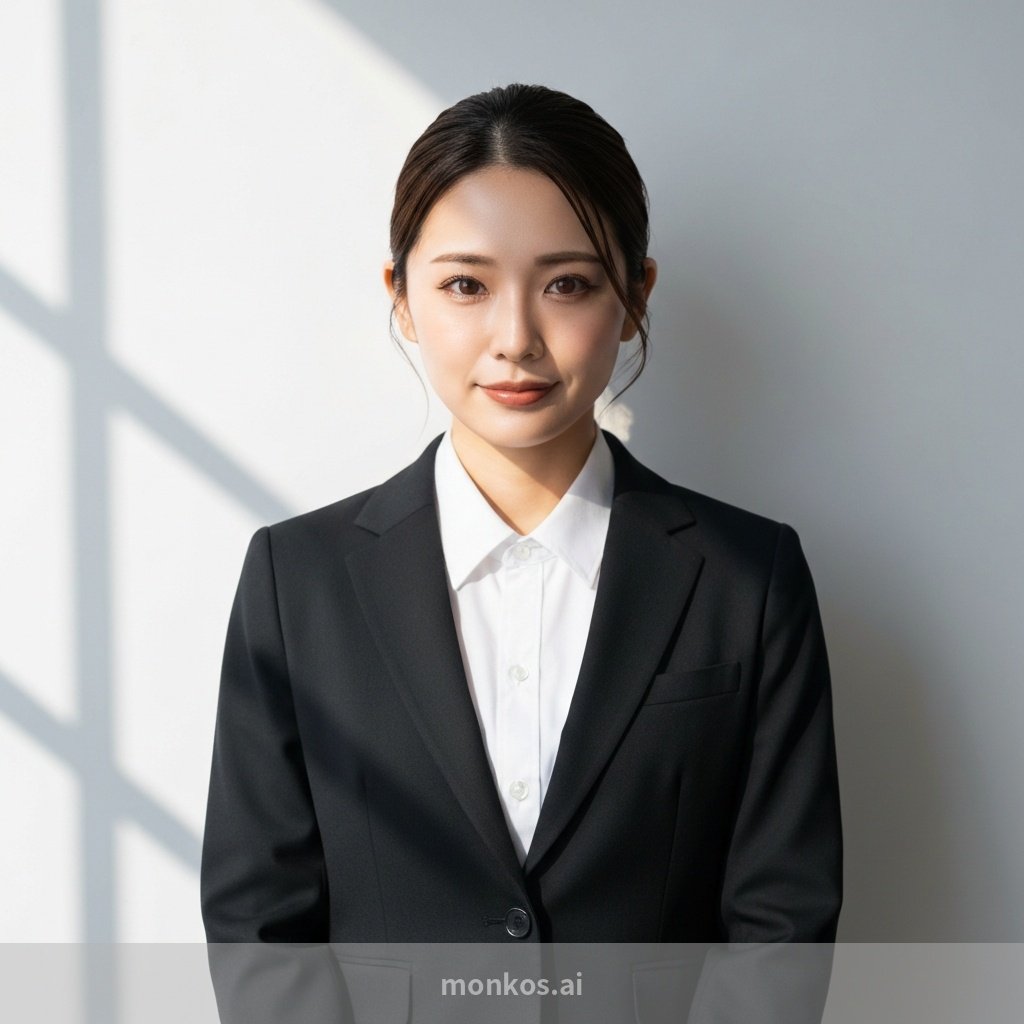
Artificial Light — A Choice Independent of Time and Weather
The biggest advantage of artificial light is its ability to maintain consistent brightness regardless of time or weather.
Characteristics by Type
- Ring Light: Provides even light to the face, making it the most common choice for self-portraits. It creates a circular catchlight in the eyes, making them appear more lively
- LED Panel: Emits a broad area of light, resulting in fewer shadows. If you have a product with adjustable color temperature, you can achieve a natural light-like feel
- Fluorescent/Indoor Lights: Not recommended. Their color temperature is unstable, and since they often shine from above, they can create deep shadows under the eyes
Tips for Using Artificial Light
- Set the color temperature to 5000-5500K (daylight). This is the closest to natural light's color
- Position the light directly in front of your face, slightly above eye level
- If you only have one light, place a reflector (a white sheet of paper works too) on the opposite side
- Too close will cause glare, too far will make it dark. An arm's length is generally appropriate
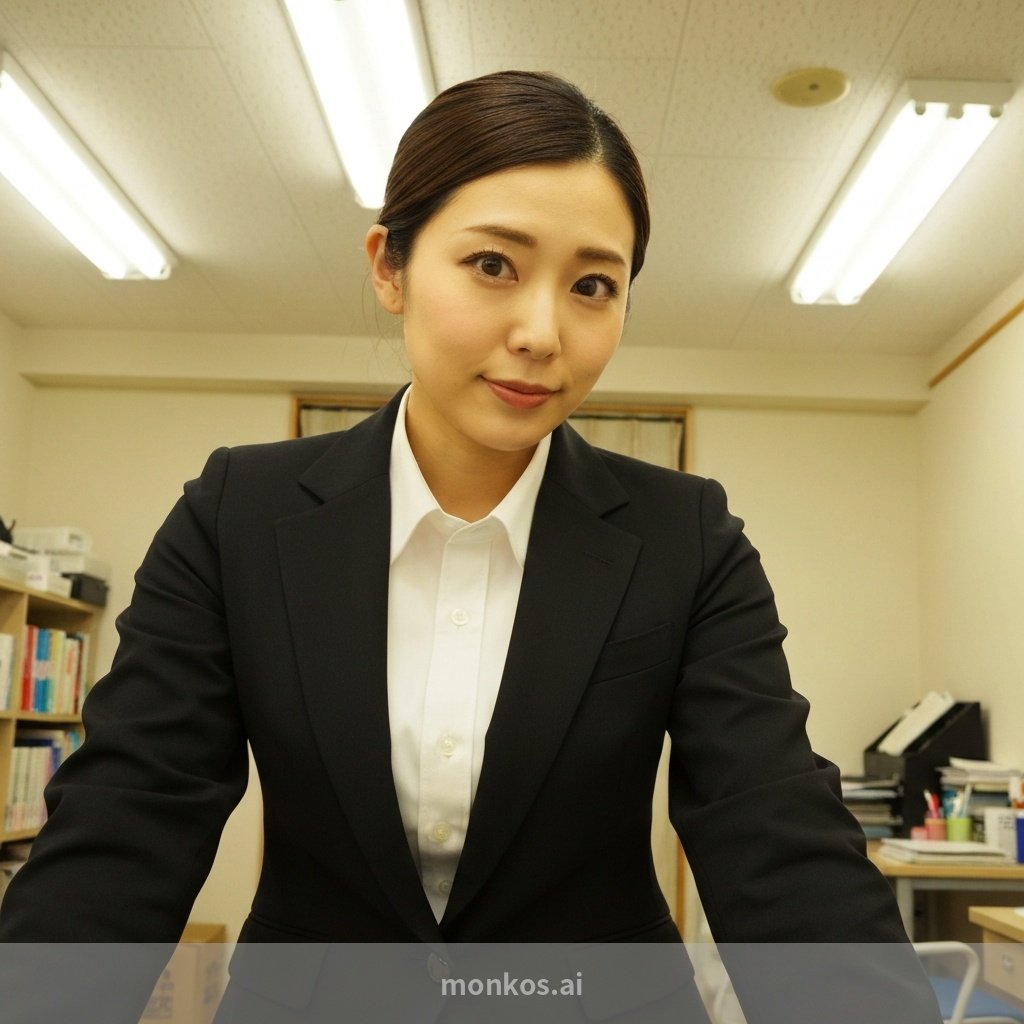
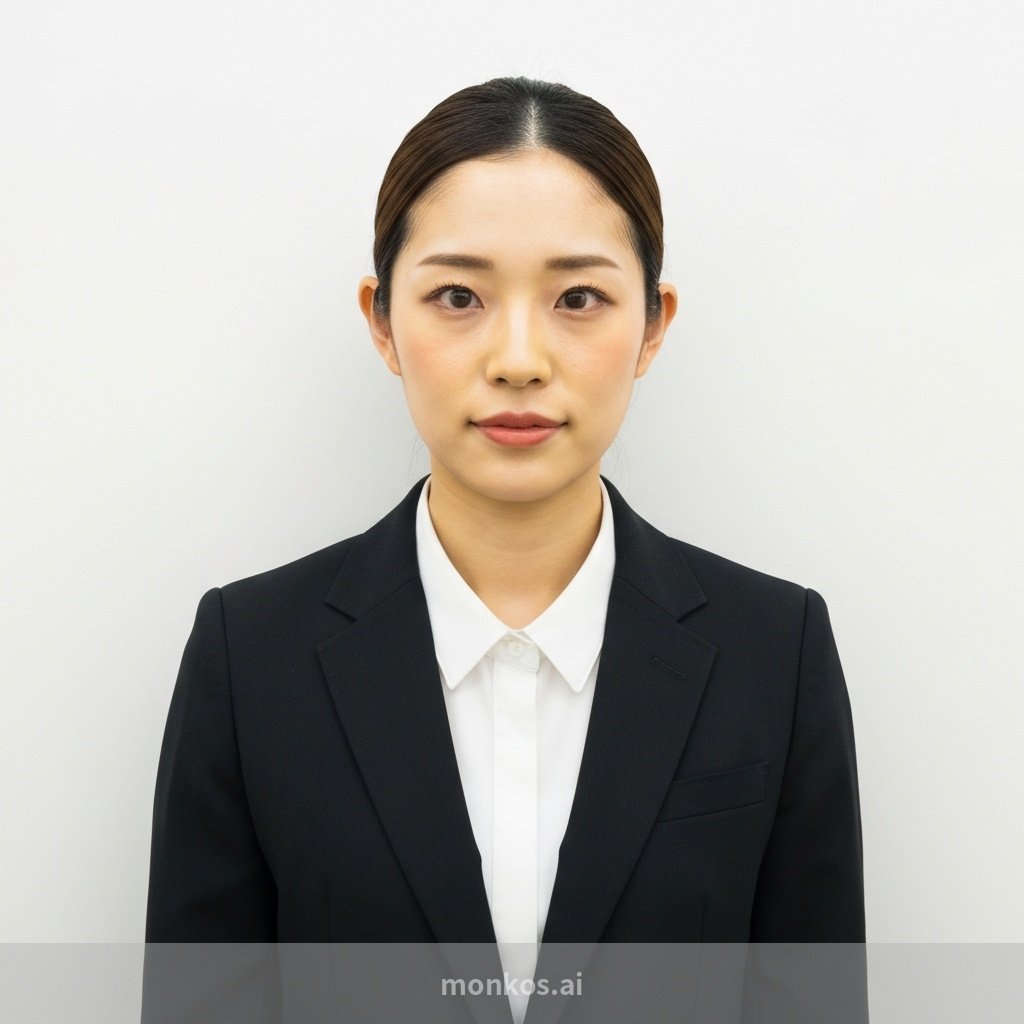
Natural Light vs. Artificial Light, The Conclusion?
| Item | Natural Light | Artificial Light |
|---|---|---|
| Naturalness | Most natural | Varies with setup |
| Convenience | Time/weather limited | Possible anytime |
| Cost | Free | Equipment needed |
| Skin Expression | Maintains inherent color | Requires color temp setting |
| Recommended Situation | When shooting during the day | At night or on cloudy days |
The best option is to shoot with natural light by a window during the daytime. However, if time doesn't permit or the weather is bad, even a single LED light with a color temperature of 5000K or higher is sufficient to create a clean ID photo.

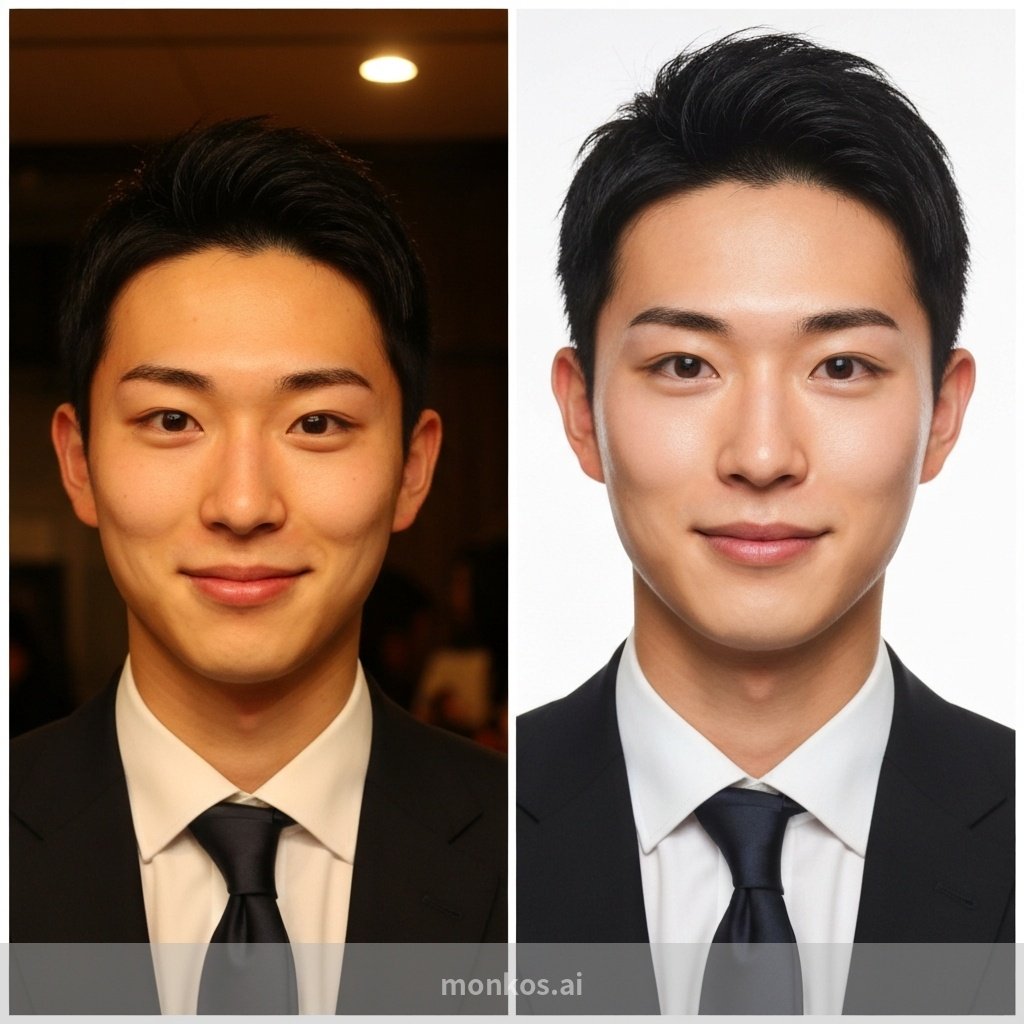
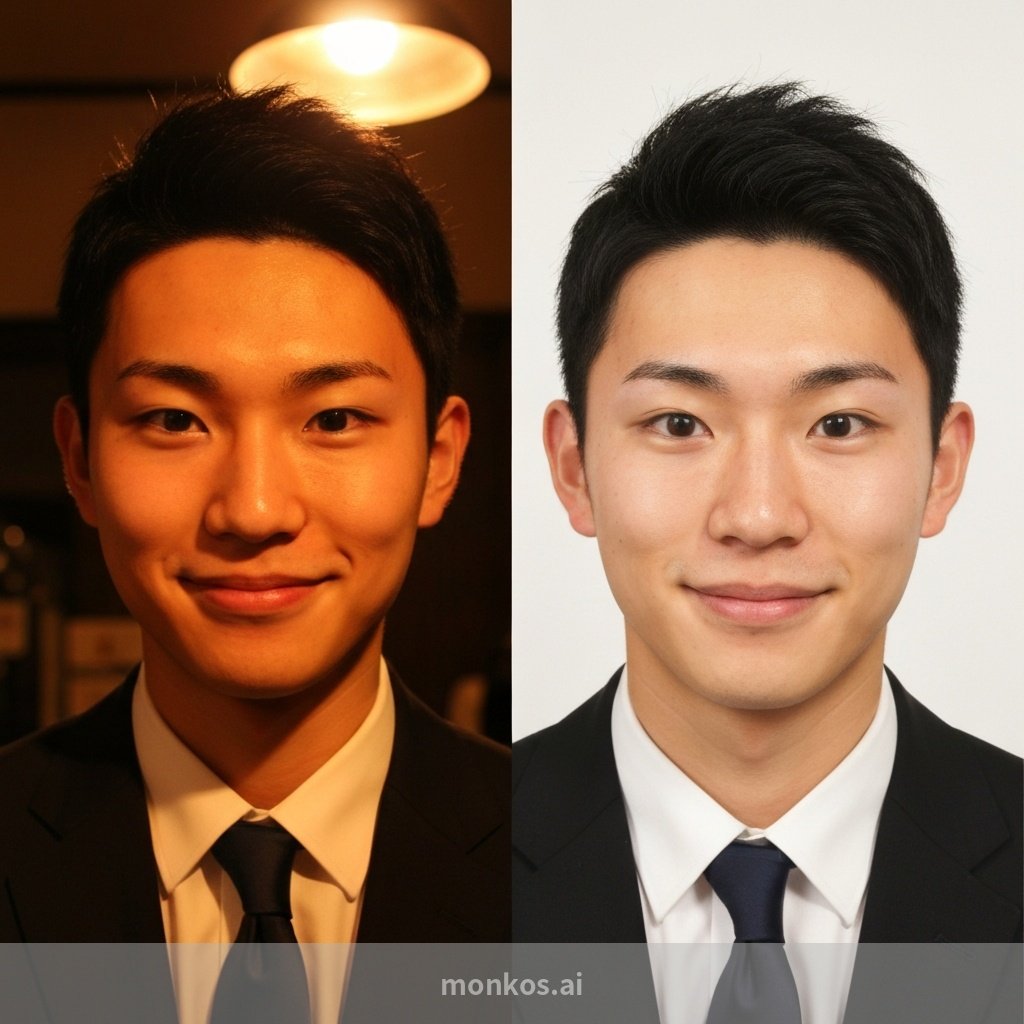
What's More Important Than Lighting
Truthfully, no matter how well you set up the lighting, self-shooting has its limitations. It's difficult to simultaneously manage the angle, focus, and background.
Monkos.ai is an AI ID photo service created by a photographer with 20 years of experience. With just one selfie, it automatically handles lighting correction, skin tone refinement, and asymmetry correction. Whether you shoot in natural light or under fluorescent lights, our AI will correct it to the optimal lighting for your ID photo.
Natural AI ID photo → monkos.ai